Whether you're training for a marathon or just trying to get through a busy week, iron is the unsung hero of stamina, recovery and consistent performance.
Ask any endurance coach what nutrient they spend the most time worrying about with their athletes, and iron will be near the top of the list. It's the single biggest determinant of how efficiently your body delivers oxygen to working muscles — and oxygen is what stamina is made of.
Why Athletes Burn Through Iron Faster
Training places extra demand on your iron stores in several ways. Foot-strike haemolysis (red blood cells damaged by repeated impact during running), small losses through sweat, increased red blood cell turnover and, for many female athletes, monthly losses on top of all that. The result is that iron deficiency is significantly more common in athletes than in the general population — particularly in distance runners, triathletes and dancers.
The Symptoms That Get Mistaken for Overtraining
What looks like overtraining or burnout is often low iron in disguise. Heavy legs that don't seem to recover, breathlessness on efforts that used to feel comfortable, declining performance despite consistent training, poor sleep, mood dips, and a heart rate that runs higher than usual at the same pace.
If any of that sounds familiar, ask your GP for a full iron panel — including ferritin — before assuming you just need to train harder. The honest truth is that no amount of extra mileage will fix an oxygen-delivery problem.
Building Iron Into Your Training Diet
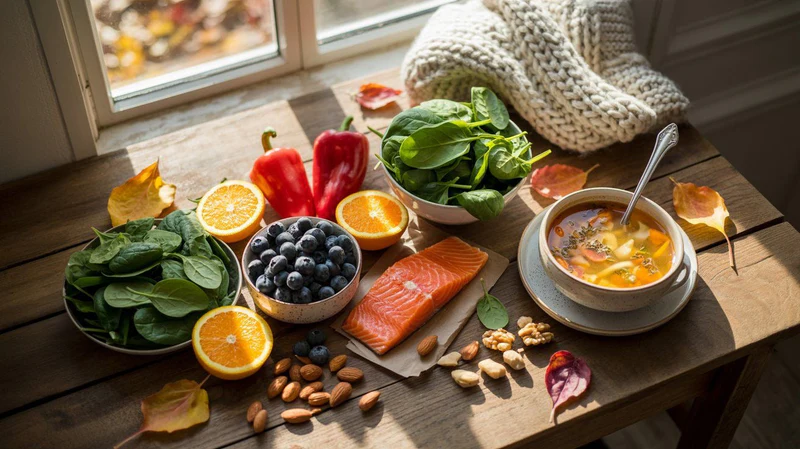
Prioritise iron-rich foods: red meat a couple of times a week, oily fish, eggs, lentils, beans, tofu, pumpkin seeds and dark leafy greens. Pair plant sources with vitamin C — a squeeze of lemon over your salad, or a satsuma with your porridge — to dramatically improve absorption.
Try not to flood your iron-rich meals with tea, coffee or large doses of calcium, all of which interfere with absorption. A simple rule: keep your morning coffee at least an hour away from your iron-rich breakfast.
When Food Isn't Enough
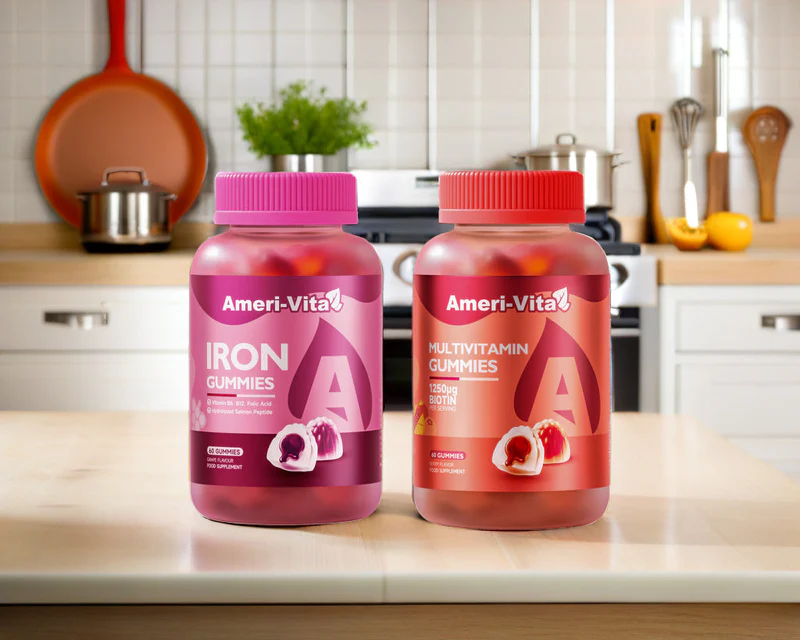
Even with a careful diet, many athletes — especially female athletes and plant-based athletes — find they can't keep up with demand through food alone. A well-formulated supplement is a sensible insurance policy. Ameri-Vita's Fe+ Iron Gummies and Fe+ Drink are both designed for daily, gentle use, without the stomach upset that puts a lot of people off traditional iron tablets.
Recovery Is Where the Gains Live
Training is the stimulus. Recovery is where you actually adapt and get fitter. Iron sits at the centre of both — supporting oxygen delivery during the session, and red blood cell turnover afterwards. Look after it consistently, and the rest of your training plan finally gets to do what it's supposed to.