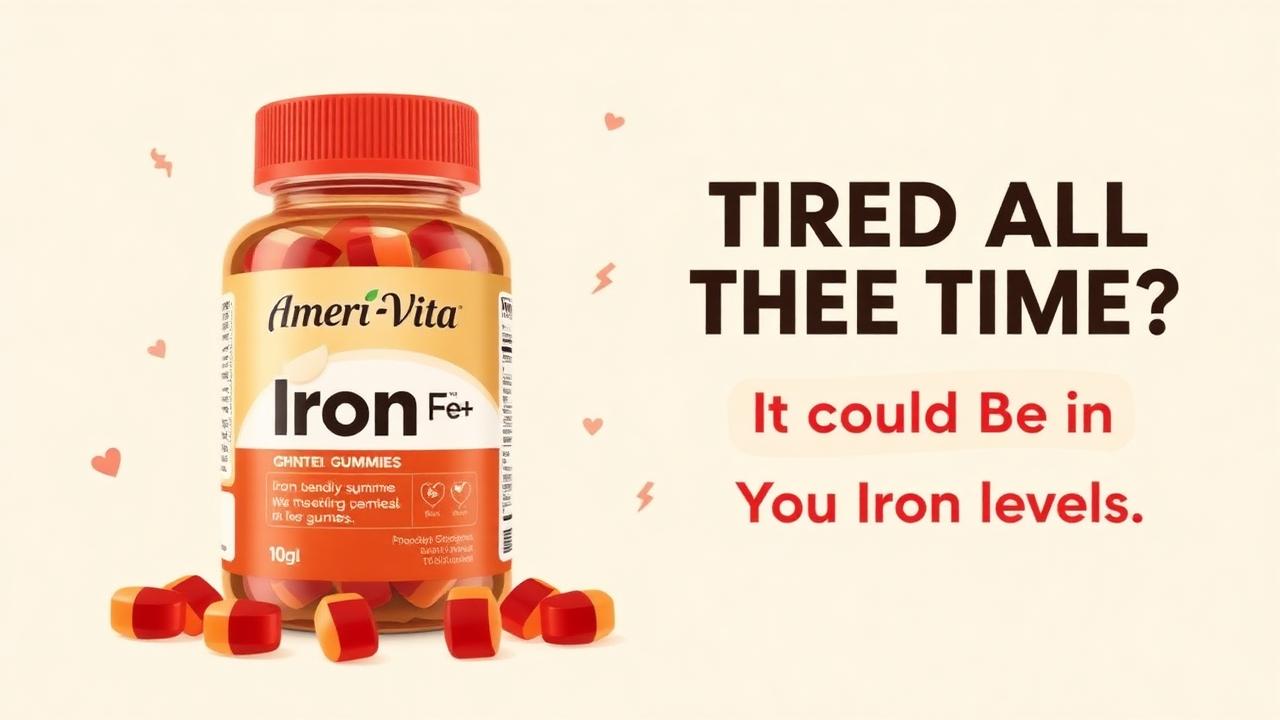
If you're surviving on coffee and still hitting a 3pm wall every day, low iron may be the culprit. Here's how to spot the signs — and what to do about it.
Constant tiredness has become so normalised that most people just accept it as part of modern life. Late nights, busy schedules, endless screen time — of course you're tired. But if you're sleeping well and still feel wiped out by mid-afternoon, your iron levels could be the missing piece.
Iron is the mineral your body uses to make haemoglobin, the protein in red blood cells that carries oxygen from your lungs to every cell in your body. Without enough of it, your tissues are essentially starved of oxygen, and your energy nosedives.
Who's Most at Risk?
Women of menstruating age are the most affected group, with around one in four experiencing some level of iron deficiency. Vegetarians and vegans are also more vulnerable, since iron from plant sources is harder for the body to absorb. Endurance athletes, frequent blood donors and people with heavy periods all need to keep a particularly close eye on their levels.
The Symptoms Beyond Tiredness
Low iron doesn't just look like fatigue. Other classic signs include: feeling out of breath after light activity, a noticeably faster heart rate, pale skin, brittle nails, hair shedding, headaches, brain fog, restless legs at night, and feeling cold all the time.
If several of these sound familiar, it's worth speaking to your GP for a simple blood test. They can check both your haemoglobin and your ferritin (your iron stores), which together give a much clearer picture than haemoglobin alone.
Food First — Then Smart Supplementation
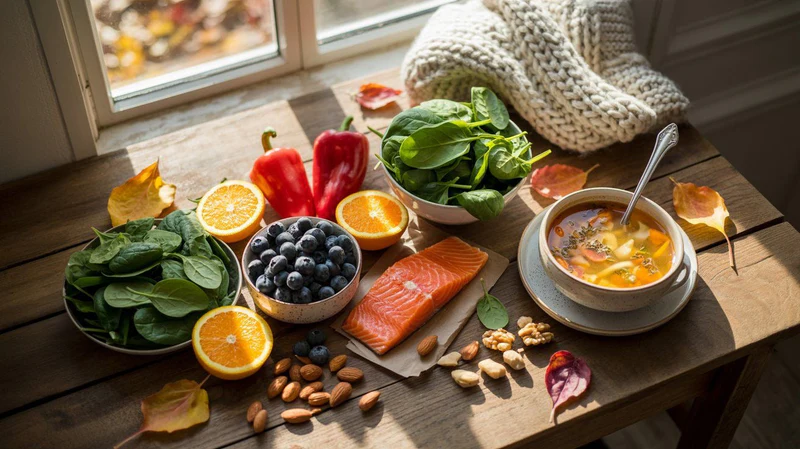
Iron-rich foods include red meat, liver, sardines, eggs, lentils, beans, tofu, dark leafy greens, pumpkin seeds and fortified cereals. Pairing plant sources with vitamin C (a squeeze of lemon over your spinach, or a glass of orange juice with breakfast) significantly boosts absorption.
Tea, coffee and calcium-rich foods can do the opposite, so try to keep them away from your iron-rich meals by an hour or two.
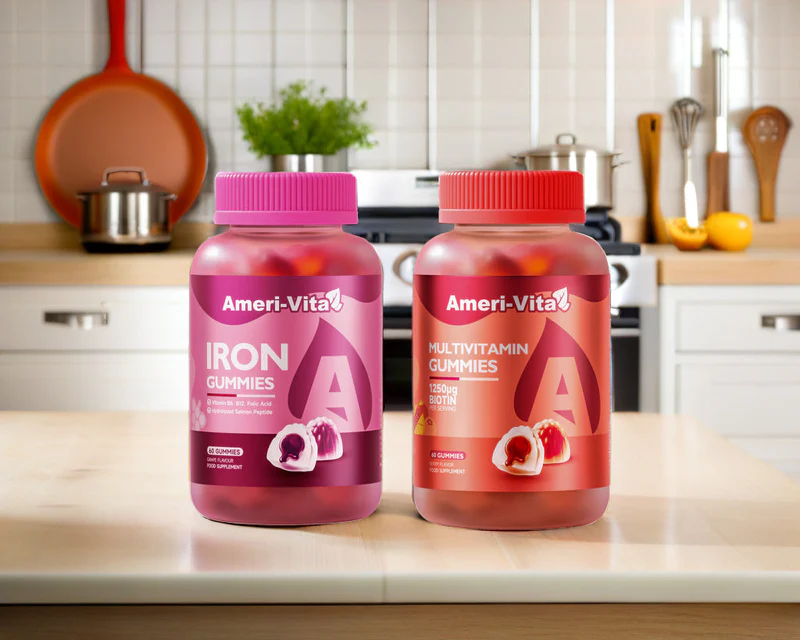
If diet alone isn't getting you there, a well-formulated iron supplement can make a real difference. Ameri-Vita's Fe+ Iron Gummies and Fe+ Drink are both designed to be gentle on the stomach (a common complaint with traditional iron tablets) and easy to take consistently — which is the real secret, because iron levels are slow to rebuild.
Give It Time
If your levels are low, don't expect a miracle by Friday. It typically takes several weeks of consistent intake before energy starts to noticeably lift, and three to six months to fully replenish iron stores. Stick with it. The version of you on the other side, with steady all-day energy and no 3pm crash, is absolutely worth the wait.